
Car’s Key Components Need Attention
Before we dive into the details of specific components, let’s clarify why understanding common auto parts problems and solutions matters for your business.
With vehicles staying on the road longer and the average car age rising, the demand for quality replacement parts has never been stronger.
But here’s the thing: most drivers don’t think about their car’s components until something goes wrong. And by then, a small issue has often turned into an expensive repair.
This post covers seven critical auto parts that keep your engine running smoothly—what they do, when they fail, and how to catch problems early.
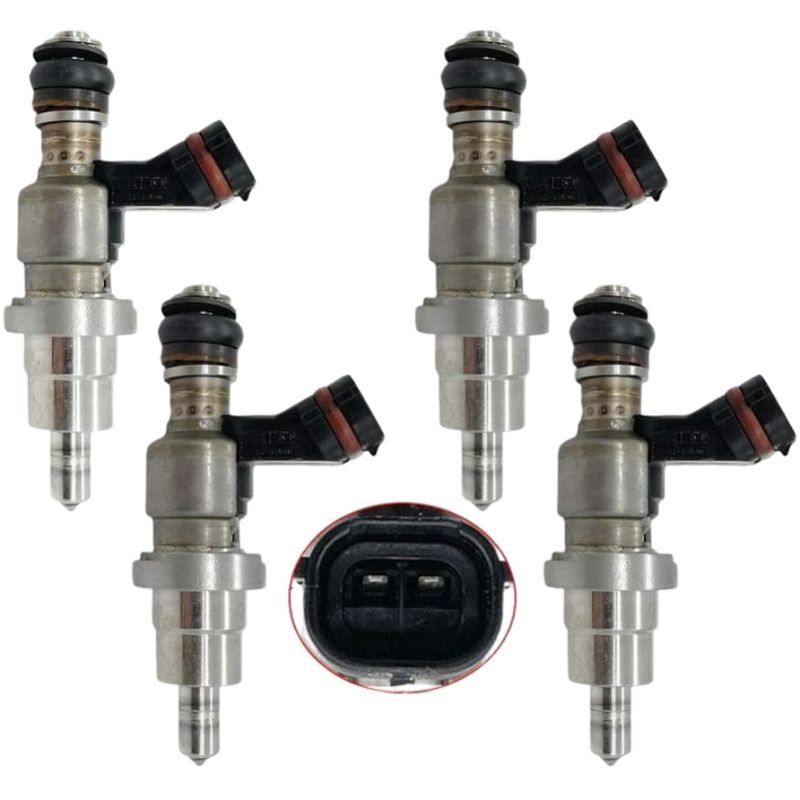
1. Fuel Injectors: A Common Auto Parts Problem and Its Solution
Fuel injectors deliver the precise amount of fuel into your engine’s cylinders. When they work properly, your engine runs efficiently and responds smoothly. When they don’t, you’ll notice rough idling, poor acceleration, and decreased fuel economy.
Common signs of trouble: Check engine light, engine misfires, rough idle, or a noticeable drop in gas mileage.
What to do: Regular fuel system cleaning can help. If problems persist, professional cleaning or replacement may be needed.
2. Ignition Coils
Ignition coils convert your battery’s low voltage into the high voltage needed to fire the spark plugs. Without a functioning coil, your engine won’t start or run properly.
Common signs of trouble: Engine misfires, rough running, stalling, or difficulty starting. Ignition coils often fail together, so if one goes bad, it’s wise to check the others.
What to do: When you notice misfires or rough performance, have your ignition system inspected. Replacing faulty coils promptly prevents damage to other components.
3. Spark Plugs
Spark plugs ignite the air-fuel mixture in your engine. They’re small, but they have a big job. Worn or fouled spark plugs can cause misfires, poor fuel economy, and hard starting.
Common signs of trouble: Engine misfires, rough idle, difficulty starting, or a noticeable drop in power and fuel efficiency.
What to do: Follow your vehicle’s maintenance schedule for spark plug replacement. Using high-quality plugs makes a real difference in engine performance and longevity.
4. Oxygen Sensors
Oxygen sensors monitor the exhaust gases and tell your engine’s computer how to adjust the air-fuel mixture. When they fail, your engine may run too rich or too lean—hurting performance and fuel economy.
Common signs of trouble: Check engine light, poor fuel economy, rough idle, or failed emissions tests.
What to do: Use diagnostic tools to read sensor data regularly. If readings are slow or inaccurate, cleaning or replacement is needed. Using premium fuel and quality engine oil helps prevent sensor contamination.
5. Car Lights
Headlights, taillights, turn signals, and interior lights are essential for safety and visibility. Burnt-out bulbs are easy to miss until you’re driving at night or in bad weather.
Common signs of trouble: Dim or flickering lights, warning indicators on your dashboard, or bulbs that burn out frequently.
What to do: Check your lights regularly and replace bulbs as soon as they fail. If you notice flickering or dimming, have your electrical system checked.
6. Mass Air Flow Sensors
The mass air flow (MAF) sensor measures the amount of air entering the engine so the ECU can deliver the correct fuel mixture. A dirty or failing MAF sensor throws off this balance.
Common signs of trouble: Rough idle, hesitation during acceleration, poor fuel economy, or a check engine light.
What to do: MAF sensors can sometimes be cleaned with specialized cleaner. If problems continue, replacement may be necessary.
7. Variable Valve Timing Solenoids
VVT solenoids control the timing of your engine’s valves, optimizing performance and fuel efficiency across different driving conditions. When they fail, your engine loses power and responsiveness.
Common signs of trouble: Rough idle, poor acceleration, decreased fuel economy, or a check engine light with VVT-related codes.
What to do: Have your engine’s timing system inspected if you notice performance issues. Oil changes at recommended intervals help keep VVT components clean and functioning properly.
Here’s what many drivers don’t realize: one failing part can trigger a chain reaction. A bad oxygen sensor can send incorrect data to the ECU, causing the engine to run too rich. That floods the cylinders, fouls the spark plugs, and puts extra stress on the ignition coils. What started as a relatively inexpensive sensor problem can quickly become a much more costly repair involving multiple components.
By learning to recognize these common auto parts problems and solutions, you can maintain your fleet more effectively and reduce downtime.
Final Thoughts
Regular maintenance and early diagnosis aren’t just good habits—they save you money. If you’re experiencing any of the symptoms mentioned above, don’t wait. Get your vehicle checked, replace worn parts with quality components, and keep your engine running the way it should.
Need quality auto parts? We supply fuel injectors, ignition coils, spark plugs, oxygen sensors, and more.
[Contact us] for price or technical support.