
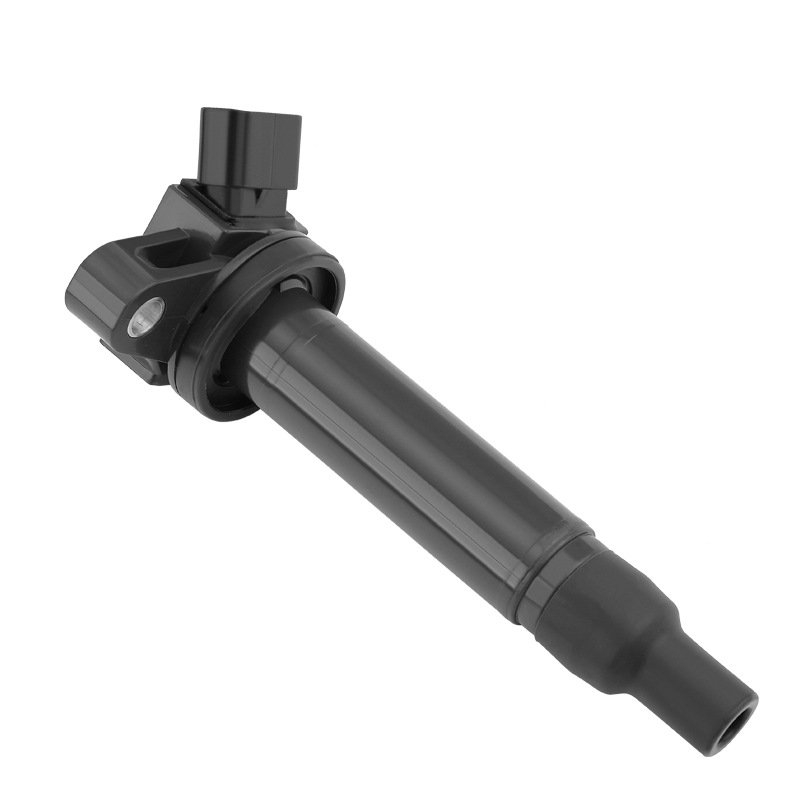
Most drivers know the basics of car maintenance—oil changes, tire rotations, brake pads. But if you’re looking for a complete ignition coil replacement guide, you’ve come to the right place. There’s a small component under the hood that plays a massive role in whether your engine starts and runs smoothly: the ignition coil.
If you’ve ever felt your car shake at a red light, noticed a drop in power when merging onto the highway, or watched your check engine light flicker on, a failing ignition coil might be the culprit. Here’s everything you need to know about this critical part.
What Does an Ignition Coil Actually Do?
In simple terms, an ignition coil is a voltage transformer. Your car’s battery provides about 12 volts of electricity—enough to power your lights and radio, but far too low to ignite the air-fuel mixture inside your engine’s cylinders.
The ignition coil steps up that 12 volts to more than 10,000 volts—sometimes up to 25,000 volts or higher—creating the powerful spark needed at the spark plug to start combustion. It’s essentially a small transformer that uses electromagnetic induction to generate high-voltage current.
Modern vehicles typically use a coil-on-plug (COP) system, where each cylinder has its own ignition coil mounted directly on top of the spark plug. This design eliminates the need for spark plug wires and allows for more precise ignition timing, which improves engine performance and fuel efficiency.
How Can You Tell If an Ignition Coil Is Failing?
Ignition coils don’t last forever. They endure extreme heat, vibration, and electrical stress every time you drive. Over time, they can develop internal shorts, mechanical damage, or contact failure. Here are the most common warning signs:
- Engine Misfires
This is the most obvious symptom. A misfire feels like a sudden jerk, stumble, or hesitation—especially during acceleration. You might also feel a persistent vibration or shaking while idling. Since each coil is responsible for one cylinder, a failing coil will cause that specific cylinder to misfire. - Check Engine Light
A faulty ignition coil will almost always trigger the check engine light. If your vehicle’s onboard computer detects a misfire, it will store a diagnostic trouble code. A code reader can tell you exactly which cylinder is having issues. - Rough Idle
If your engine feels shaky or uneven when stopped at a traffic light, a bad ignition coil could be the reason. The engine may struggle to maintain a steady idle speed. - Difficulty Starting
A weak or failed coil can make it hard to start your car, especially in cold weather. You might hear extended cranking before the engine finally fires up—or it might not start at all. - Poor Fuel Economy
When a coil isn’t delivering enough voltage to the spark plug, combustion becomes less efficient. Your engine has to work harder and burn more fuel to compensate. If you’ve noticed your gas mileage dropping, it’s worth investigating. - Loss of Power
A failing coil can cause sluggish acceleration and a noticeable decrease in overall engine performance. You might feel like your car just doesn’t have the same “get up and go” it used to.
When Should You Replace Ignition Coils?
This is one of the most common questions, and the answer depends on your vehicle.
By Mileage:
Most ignition coils are designed to last between 60,000 and 100,000 miles. Some may last even longer—up to 120,000 miles or more. However, if you drive in extreme conditions (frequent short trips, extreme heat, heavy towing), your coils may wear out sooner.
When One Fails:
If you have a single coil fail on a low-mileage vehicle (say, under 75,000 miles), you can usually just replace that one coil. But if a coil fails on a high-mileage vehicle (over 75,000-100,000 miles), it’s often recommended to replace all of them at once. Why? Because if one has failed, the others are likely close behind. Replacing them all at the same time saves you labor costs down the road and ensures consistent engine performance.
With Spark Plugs:
Ignition coils and spark plugs work as a team. Many mechanics recommend replacing both at the same time since their lifespans tend to overlap. Worn spark plugs force the ignition coils to work harder, which can shorten their life. If you’re replacing your spark plugs (typically every 30,000-60,000 miles for copper plugs, or 100,000 miles for iridium plugs), it’s worth having your coils inspected at the same time.
Replacement Costs
The cost of replacing an ignition coil varies widely by vehicle make and model. On average, you can expect to pay between $80 and $200 per coil for parts and labor. If you replace all four coils on a four-cylinder engine, the total cost could range from $320 to $800 or more, depending on the vehicle.
For distributors and workshops, sourcing high-quality replacement coils at wholesale prices is essential for keeping repair costs competitive—without compromising on reliability.
How to Make Ignition Coils Last Longer
While ignition coils are wear items that will eventually need replacement, there are steps you can take to maximize their lifespan:
Replace Spark Plugs on Schedule
The single most important thing you can do is replace your spark plugs at the manufacturer’s recommended interval. As spark plugs wear, the gap between the electrodes increases, requiring more voltage from the coil to fire. This extra strain can cause the coil to fail prematurely.
Fix Oil Leaks
If your valve cover gasket is leaking oil into the spark plug wells, that oil can damage the ignition coil boots and lead to failure. Address any oil leaks promptly.
Keep the Engine Bay Clean
Moisture and corrosion are common causes of ignition coil failure. While you don’t need to detail your engine every week, keeping it reasonably clean and dry can help your coils last longer.
Maintain Your Battery and Charging System
A weak battery or failing alternator can cause voltage fluctuations that stress the ignition system. Keeping your battery and charging system in good condition helps your coils operate within their designed parameters.
Final Thoughts
Ignition coils are a small but mighty component of your vehicle’s engine management system. They’re not something you need to think about every day—but when they fail, you’ll definitely notice. Recognizing the signs early—misfires, rough idle, loss of power, or a check engine light—can save you from being stranded and prevent more serious engine damage.
KingDa Auto Parts offers a wide range of high-quality ignition coils for Japanese, European, American, and Korean vehicles. Whether you’re a distributor stocking up or a workshop looking for reliable replacement parts, we’ve got you covered at competitive wholesale prices.
Have questions about which ignition coil is right for your vehicle? Contact us for fitment support and wholesale pricing.